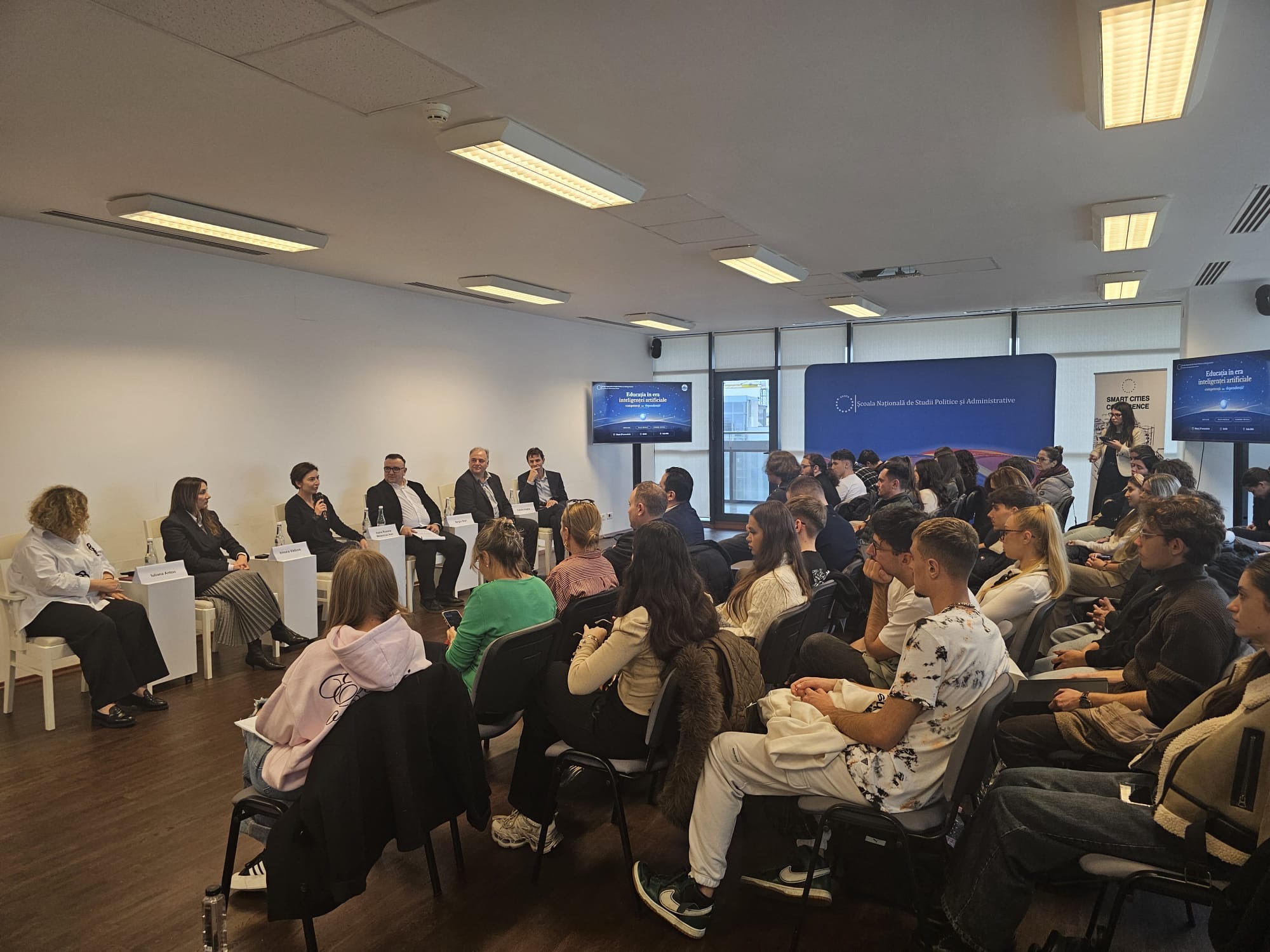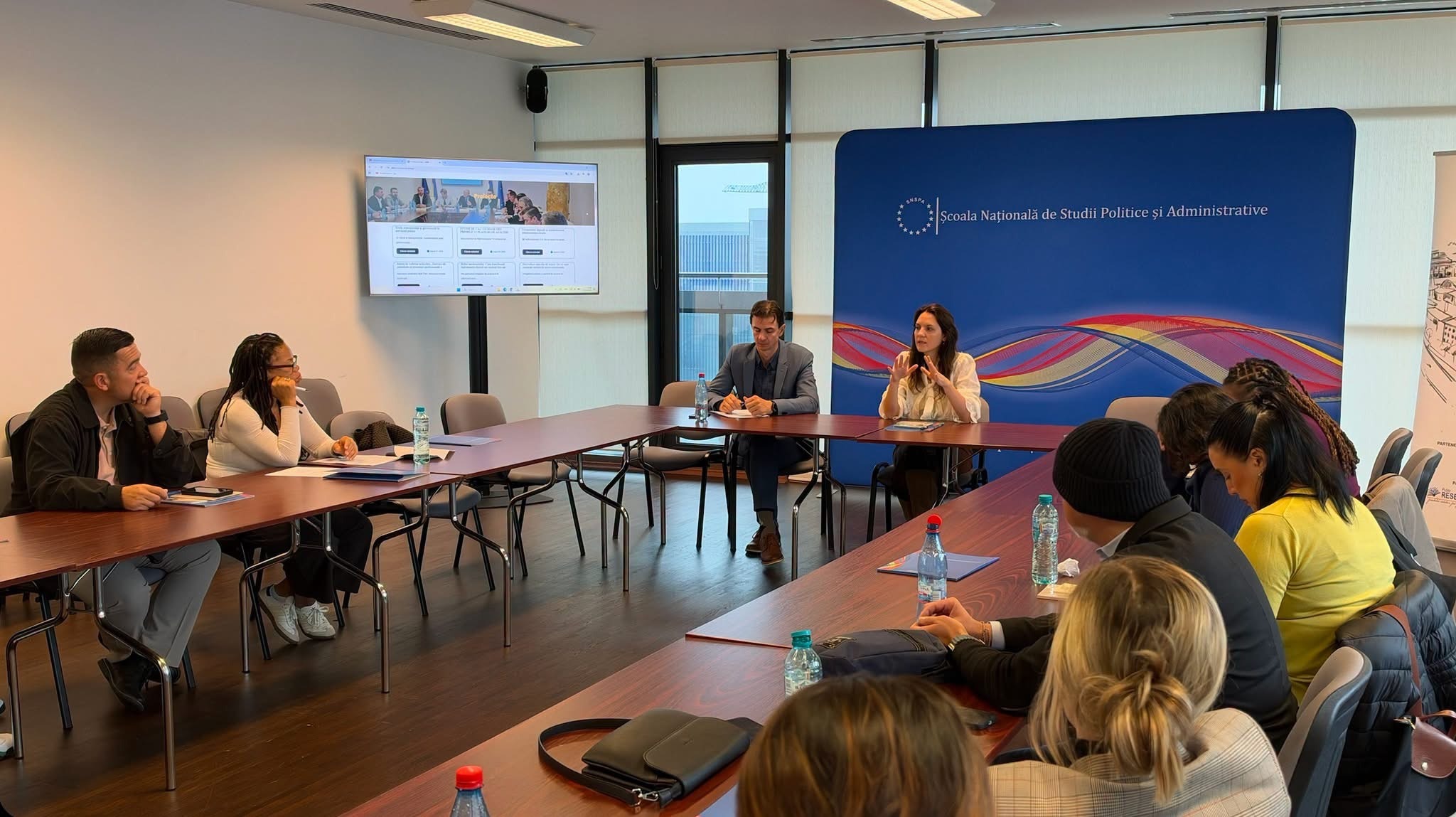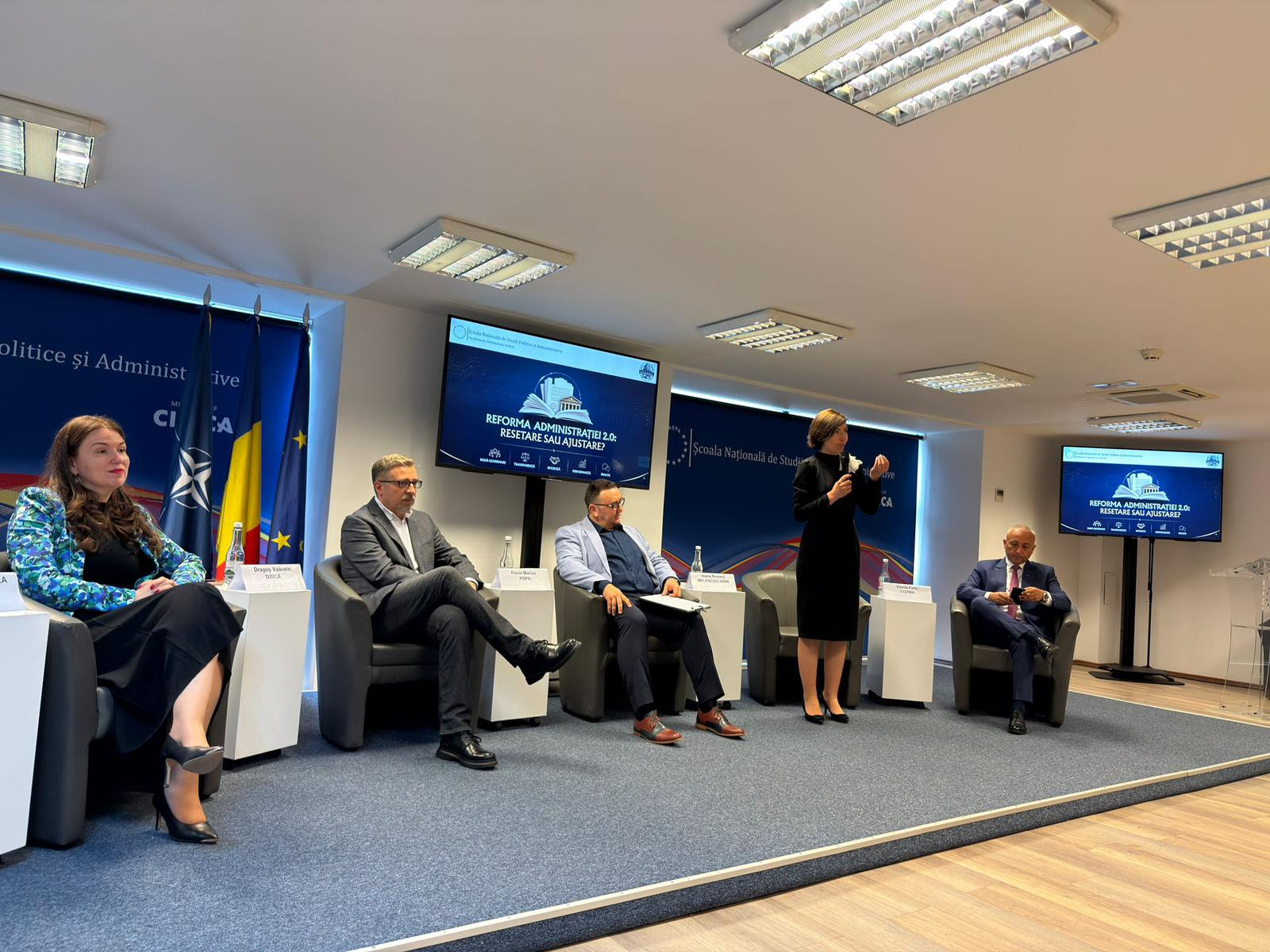
Today, the Center for Public Affairs hosted the second edition of Agora Res Publica, a debate centered on a question that is essential to the future of Romanian public administration: What kind of reform can the Romanian state still undertake today—one that rebuilds from the ground up, or one that corrects and adapts existing mechanisms?
The discussion began with a reality we can no longer ignore: public administration is facing a period of pressure and redefinition. After years of strategies, fragmented digitization, successive legislative changes, and reforms that were started but rarely seen through to completion, the question is no longer whether we should reform the administration, but how we can do so in a credible, coherent, and sustainable manner.
The discussion was organized around three key areas:
Taking Stock—what we’ve managed to build in recent years and how much of our capital of trust and reformist energy we’ve used up in the meantime;
Diagnosis—where the system’s actual bottlenecks lie: administrative capacity, human resources, lack of predictability, institutional fragmentation, or the difficulty of translating strategies into concrete results;
Vision—what public administration should look like in the coming decade: more professional, more digital, more citizen-centered, and capable of responding quickly to ever-changing societies.
The guests’ remarks offered complementary and necessary perspectives on a topic that goes beyond technical matters and enters the realm of the contract between the state and the citizen. Administrative reform means not only more efficient procedures, but also regaining public trust, strengthening professionalism, and redefining the role of institutions in a modern society.
Thank you for your openness and for the consistency of our dialogue:
- Ioana Melenciuc Ioan, President of INA,
- Vasile-Felix Cozma, President of the ANFP,
- Carmen-Mihaela Boteanu, Deputy Director, General Secretariat of the Government,
- Dr. Dragoș Valentin Dincă, University Professor.
We would like to thank everyone who stood by the Center for Public Affairs and helped make this gathering a genuine forum for reflection and debate.